
Leviticus — Read All Chapters Online
Israel's handbook of sacrifice, priesthood, and holiness.
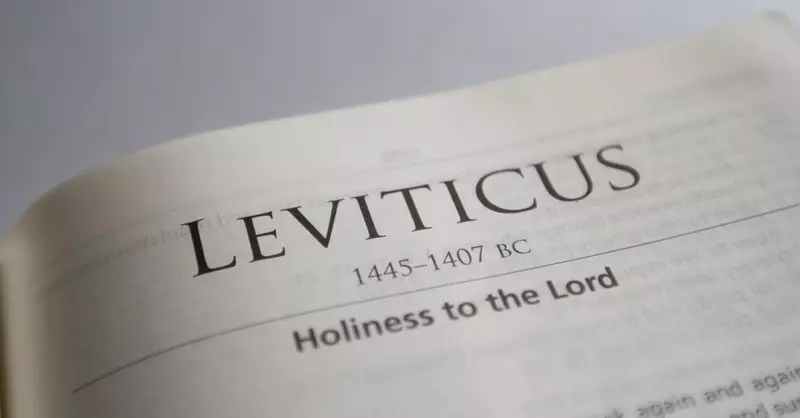
Leviticus sets out the sacrificial system, priestly duties, dietary laws, and annual feasts that shaped Israel's worship. Though detailed, it centers on a single idea: a holy God making a way for His people to draw near. Read the full text starting at Leviticus chapter 1.
About Leviticus
Leviticus is the third book of the Bible, written by Moses around the 15th century BC and spanning 27 chapters. It served as the ceremonial and moral handbook for the nation of Israel, detailing the sacrificial system, the duties of the Aaronic priesthood, the dietary laws, the Day of Atonement, the seven annual feasts of the Lord, and God's repeated call to holiness. Major themes include atonement, sanctification, the holiness of God, the cost of sin, and the cleansing power of blood sacrifice -- all of which find their ultimate fulfillment in Jesus Christ. Key chapters include Leviticus 16 (the Day of Atonement), Leviticus 19 (the law of love), and Leviticus 23 (the feasts). Among the most significant verses are Leviticus 19:18 -- Love your neighbor as yourself -- quoted by Jesus as the second great commandment, and Leviticus 17:11 -- For the life of a creature is in the blood, and I have given it to you to make atonement. Leviticus KJV may appear dense to modern readers, but its portrait of a holy God who makes detailed provision for sinful people to approach Him is profoundly relevant. Every Levitical sacrifice points forward to the one perfect offering of Christ on the cross. Leviticus Bible read online study guides help readers navigate this vital book and uncover its deep connections to the New Testament theology of atonement. Read the Book of Leviticus online here in full.