
The Book of Malachi
The Old Testament's closing rebuke - and its expectant final promise.
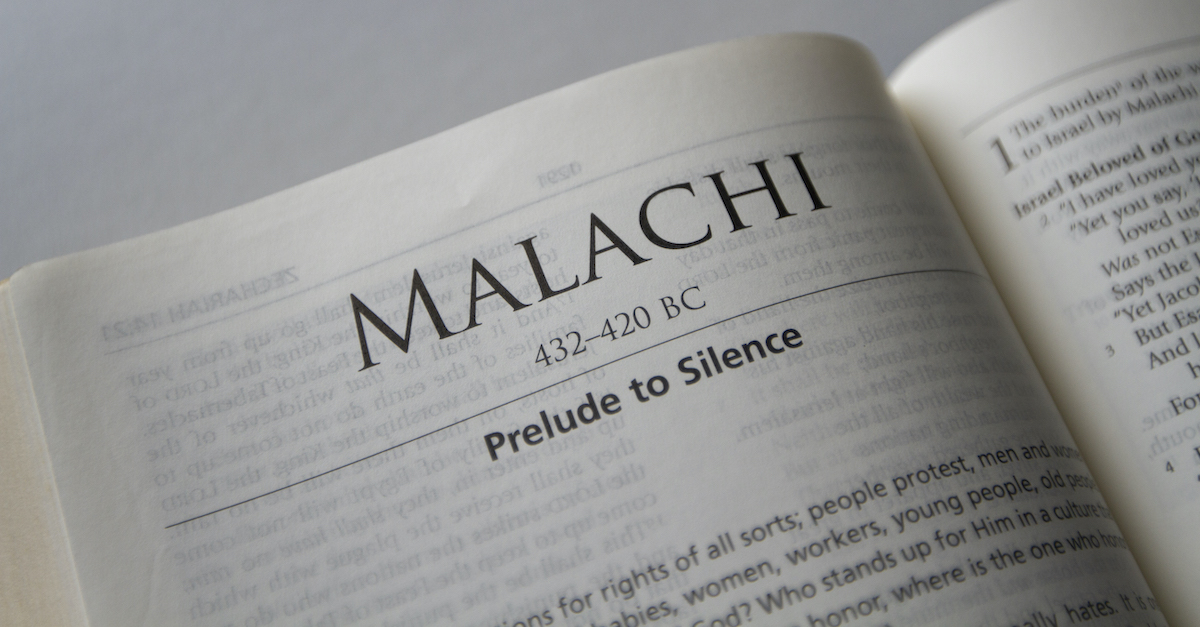
Malachi, whose name means "my messenger," delivered the last prophetic word of the Old Testament to a spiritually weary post-exilic community around 430-400 BC. Across four chapters and six back-and-forth disputations, God confronts careless worship, a corrupt priesthood, and neglected tithes. Begin reading at Malachi chapter 1.
About Malachi
Malachi is the thirty-ninth and final book of the Old Testament, written by Malachi (meaning my messenger) around 430-400 BC and spanning 4 chapters. It is the last prophetic voice before four centuries of prophetic silence that would end with John the Baptist. Written to the post-exilic community in Judah, Malachi confronted a people who had become spiritually lethargic, offering God defective sacrifices, neglecting tithes, and questioning God's love and justice. The book is structured as a series of six disputations in which God makes a charge, the people question it, and God responds. Major themes include God's faithful covenant love, the corruption of the priesthood, the faithfulness of tithing and proper worship, the coming Day of the Lord, and the promise of the forerunner who will prepare God's way. Key chapters include Malachi 3 (the messenger who prepares the way, the tithe challenge, and the book of remembrance) and Malachi 4 (the coming Day of the Lord and the promise of Elijah). Famous verses include Malachi 3:10 -- Bring the whole tithe into the storehouse...and see if I will not throw open the floodgates of heaven -- and Malachi 3:1 -- I will send my messenger, who will prepare the way before me. Malachi KJV Bible reading closes the Old Testament with both rebuke and magnificent hope. Read the Book of Malachi online here in full.