
The Book of Zephaniah
Judgment on a complacent nation gives way to God singing joyfully over His people.
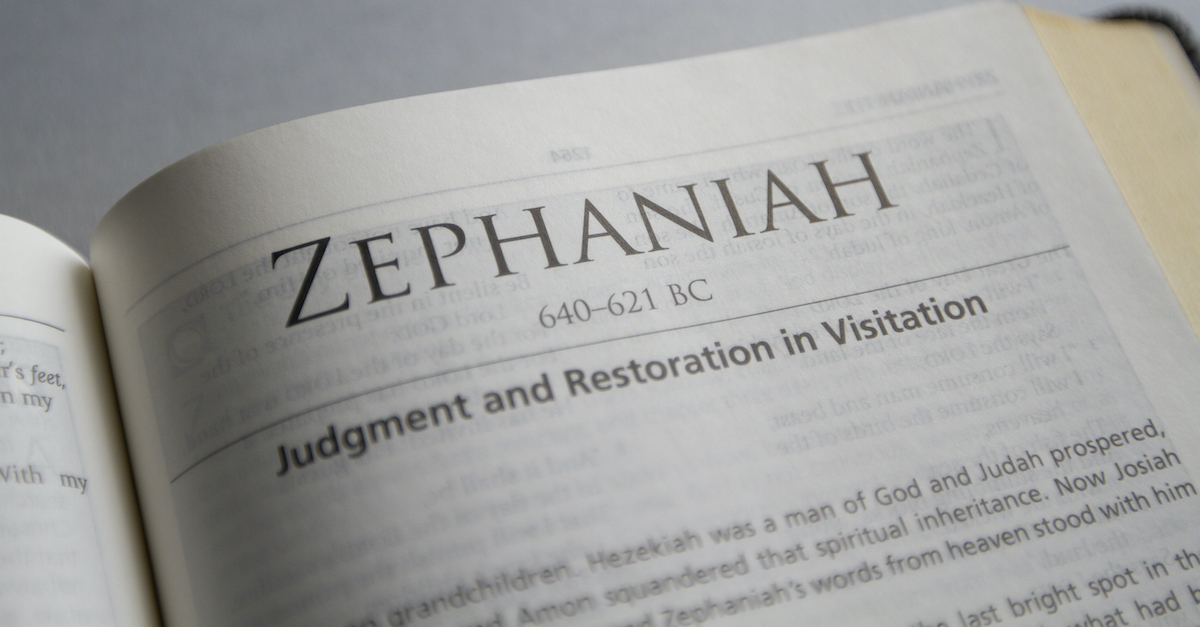
Zephaniah preached during the reign of King Josiah, a descendant of Hezekiah whose warnings of a sweeping "Day of the Lord" may have helped spark Judah's national reformation. Across three chapters he moves from judgment on Jerusalem and the surrounding nations to a startling vision of restoration. Begin with Zephaniah chapter 1.
About Zephaniah
Zephaniah is the thirty-sixth book of the Bible and the ninth Minor Prophet, written by Zephaniah during the reign of King Josiah of Judah (640-609 BC) and spanning 3 chapters. Zephaniah was himself a descendant of King Hezekiah, giving him a unique royal perspective on Judah's moral and spiritual condition. He ministered in the period just before or during Josiah's great reformation, and his fierce pronouncements of judgment may have helped provoke that national turning. The book opens with sweeping judgment against all creation and then focuses on Judah's specific sins, before extending judgment to surrounding nations, and finally arriving at a glorious vision of universal restoration centered on the return of God to dwell among His people. Major themes include the comprehensive coming Day of the Lord, the judgment of pride and complacency, the salvation of a humble remnant, and the joy of God over His redeemed people. Key chapters include Zephaniah 1 (the Day of the Lord declared), Zephaniah 2 (call to seek the Lord), and Zephaniah 3 (judgment and salvation). The most beloved verse is Zephaniah 3:17 -- The Lord your God is with you, the Mighty Warrior who saves. He will take great delight in you; in his love he will no longer rebuke you, but will rejoice over you with singing. Zephaniah KJV Bible reading culminates in a portrait of God singing over His people with joy. Read the Book of Zephaniah online here in full.