
The Book of Micah
Prophetic rebuke of injustice paired with the promise of a ruler from Bethlehem.
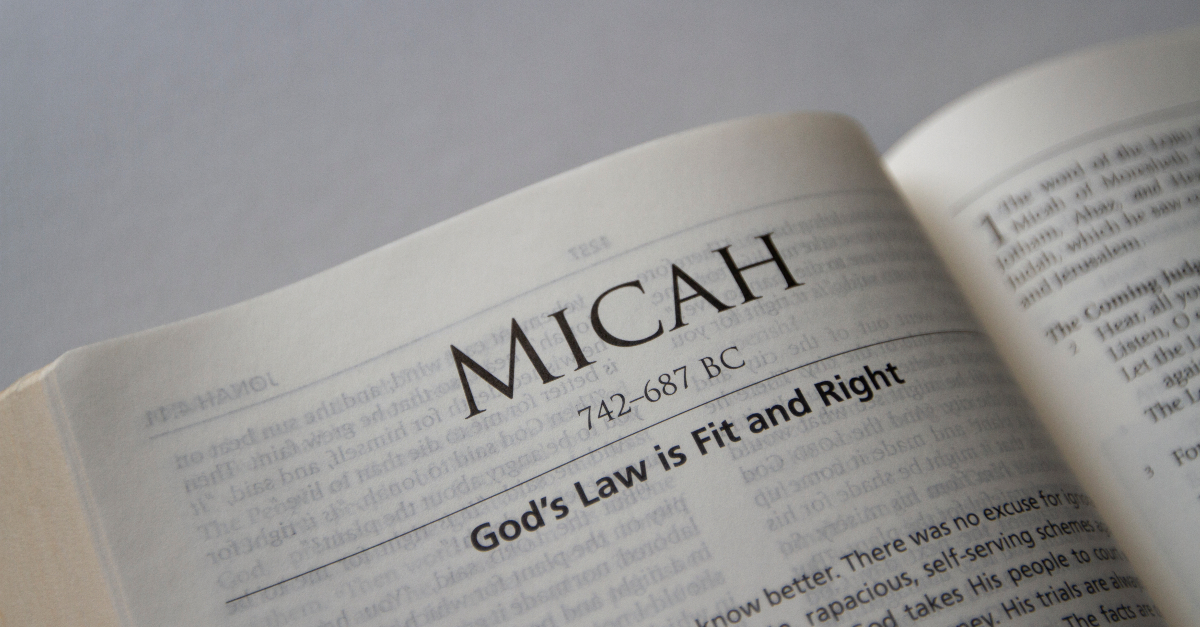
Micah, a contemporary of Isaiah, ministered to both the northern and southern kingdoms, confronting corrupt leaders and false prophets who exploited the rural poor. Across 7 chapters he pairs sharp rebuke with one of the Old Testament's clearest messianic prophecies, naming Bethlehem as the birthplace of a future ruler. Begin at Micah chapter 1.
About Micah
Micah is the thirty-third book of the Bible and the sixth Minor Prophet, written by Micah of Moresheth during the reigns of Jotham, Ahaz, and Hezekiah -- roughly 735-700 BC -- and spanning 7 chapters. A contemporary of Isaiah, Amos, and Hosea, Micah brought God's word to both the northern kingdom of Israel and the southern kingdom of Judah, ministering especially to the rural poor who were being exploited by wealthy landowners, corrupt rulers, and false prophets. Yet the book also contains some of the most magnificent prophecies in all of the Old Testament, including the prediction of Messiah's birth in Bethlehem. Major themes include social justice and the condemnation of oppression, false versus true prophecy, the certain judgment of God on corrupt leaders, and the glorious hope of future redemption through the coming Shepherd-King. Key chapters include Micah 3 (condemnation of corrupt leaders), Micah 5 (the Bethlehem prophecy), and Micah 6-7 (God's case against Israel and the promise of restoration). The most famous verse is Micah 6:8 -- He has shown you, O mortal, what is good. And what does the Lord require of you? To act justly and to love mercy and to walk humbly with your God. Micah 5:2 predicted Christ's birth in Bethlehem seven centuries before it occurred. Micah KJV Bible reading pairs prophetic rebuke with soaring hope. Read the Book of Micah online here in full.